RESTAURANT MANAGEMENT SYSTEM
Transforming Restaurant Operations with End-to-End Automation
Introduction
The restaurant industry operates in a highly dynamic and fast-paced environment where efficiency, accuracy, and customer satisfaction are critical for success. Many restaurants, especially small and mid-sized businesses, rely on manual processes to manage daily operations such as order handling, billing, inventory tracking, and table reservations. These traditional methods often lead to inefficiencies, errors, and delays, ultimately affecting both operational performance and customer experience. To overcome these challenges, a comprehensive Restaurant Management System was developed to digitize and streamline restaurant operations through automation and integration.
The Challenge
Restaurants faced several operational challenges due to reliance on manual systems and disconnected tools: •Manual Order Management and Billing Orders were taken and processed manually, leading to delays, inaccuracies, and confusion during peak hours. Billing errors were common, affecting both revenue and customer trust. •Inefficient Inventory Tracking Without real-time tracking, restaurants struggled to manage stock levels effectively. This often resulted in overstocking, shortages, or wastage of ingredients. •Unstructured Table Reservation System Reservations were handled manually, increasing the chances of double bookings, long wait times, and poor customer experience. •Lack of Integration with Delivery Platforms With the rise of online food delivery services, the absence of integration created fragmented workflows. Managing orders from multiple platforms separately led to inefficiencies and missed opportunities. These issues collectively reduced operational efficiency and made it difficult for restaurants to scale their business.
Objective
The primary objective of the project was to develop a centralized and automated system to streamline restaurant operations and improve overall efficiency. Key goals included: •Automating order processing and billing •Providing real-time inventory management •Simplifying table reservation handling •Integrating online and offline order systems •Enhancing customer experience through faster and more accurate service
Our Solution
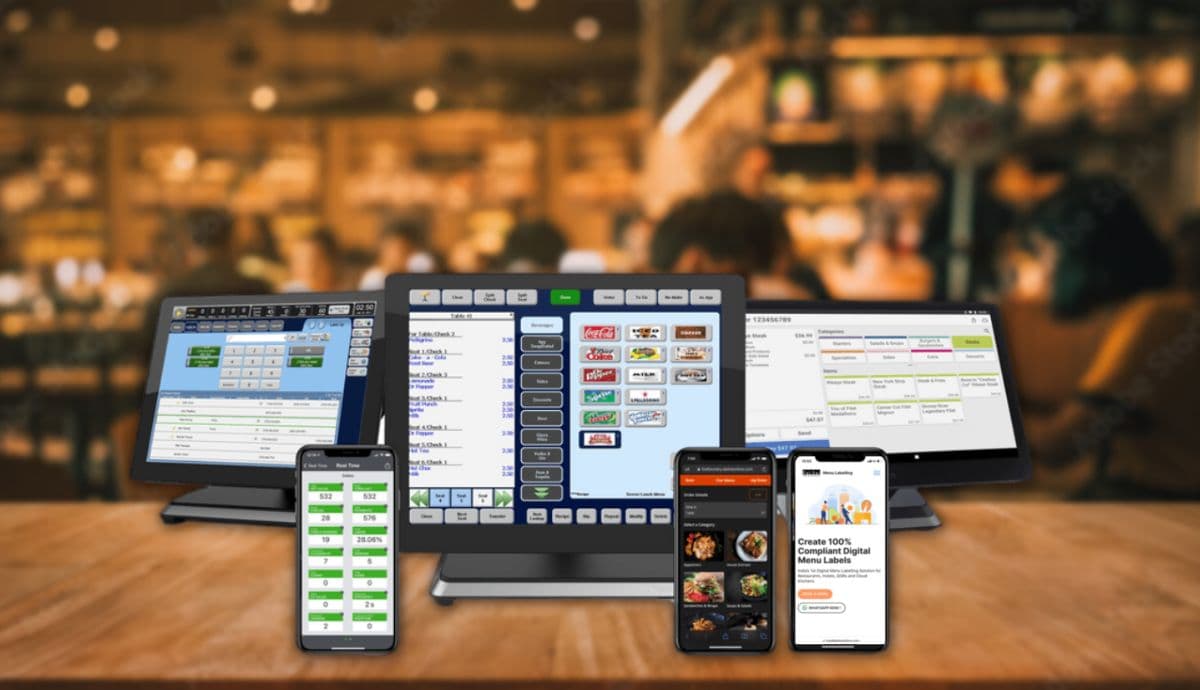
HighOnSwift developed a full-stack Restaurant Management System using the MERN stack (MongoDB, Express.js, React.js, Node.js). Key Features of the Solution: Order Management System The platform digitizes order processing, enabling staff to take and manage orders efficiently. Orders are updated in real time, ensuring smooth coordination between the front-end staff and kitchen. Automated Billing System The system generates accurate bills instantly, reducing manual errors and speeding up the checkout process. Real-Time Inventory Tracking Inventory levels are monitored continuously, with alerts for low stock. This helps in better planning and reduces wastage. Table Reservation Management A digital reservation system allows efficient allocation of tables, reducing wait times and preventing booking conflicts. Integration with Delivery Platforms The system integrates with online food delivery services, enabling centralized management of all incoming orders from different channels.
Implementation
The application was developed using a modern web architecture to ensure performance, scalability, and ease of use. The frontend, built with React, provides an intuitive interface for restaurant staff, while the backend, powered by Node.js and Express, handles business logic and data processing. MongoDB was used as the database to manage orders, inventory, and customer data efficiently. The system was designed to handle high volumes of transactions, especially during peak hours, ensuring smooth and uninterrupted operations. Special focus was given to: •User-friendly design for quick adoption by staff •Real-time updates for accurate data flow •Scalable architecture to support business growth
Results
The implementation of the Restaurant Management System brought significant improvements: •Faster Order Processing and Billing Automation reduced wait times and improved service speed. •Reduced Operational Errors Digital systems minimized human errors in order handling and billing. •Improved Inventory Management Real-time tracking helped in better stock control and reduced wastage. •Enhanced Customer Experience Faster service, accurate orders, and efficient reservations improved overall customer satisfaction. •Better Operational Efficiency Centralized management streamlined workflows and improved staff productivity.
Conclusion
The Restaurant Management System successfully transformed traditional restaurant operations into a modern, efficient, and scalable digital solution. By automating key processes and integrating multiple functionalities into a single platform, the system improved operational efficiency and enhanced customer experience. This project highlights the importance of adopting technology in the hospitality industry to stay competitive and deliver high-quality service.